They turn up where you are. They mention a conversation you only had by text. They know where you were on Saturday, though you never told them. If that sounds familiar, you are not imagining it, and you are not alone.
When a relationship breaks down, the most common ways someone keeps watch are spyware on your phone and a tracker hidden on your car. Both are cheap and easy to get hold of. In 2023 alone, security firm Kaspersky detected 195 different commercial spyware apps built for spying on partners and family, and Australia ranked fourth in the Asia-Pacific for people affected. An Apple AirTag, and many small GPS trackers, cost less than a tank of fuel.
This guide covers the warning signs, how these tools usually get in, and how to act without putting yourself at risk.

Signs your phone has spyware
- They know things you have only said in messages or calls. This is the most telling sign of all.
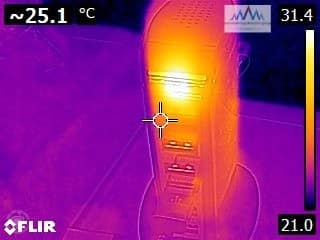
- The battery drains fast, or the phone runs warm when you’re not using it. Spyware works in the background, uploading what it collects.
- Data use is higher than you can explain.
- Apps, settings or accounts you don’t recognise. Look for unfamiliar apps, security settings that have been switched off, or on an iPhone, a device management profile you didn’t install.
- Your Apple or Google account is signed in somewhere you don’t recognise. Both accounts list the devices signed in to them.
- Someone else has had your phone, knows your passcode, or set it up for you.
None of these proves spyware on its own. Phones get old and batteries wear out. But when several signs line up with someone knowing more than they should, it is worth having the phone checked.
How spyware usually gets on a phone
Most phone spying doesn’t take any technical skill. It usually comes down to access:
- Physical access. A few minutes with your unlocked phone is enough to install a monitoring app.
- A shared account. If someone knows your Apple ID or Google password, they may be able to see your photos, messages, backups and location without installing anything at all.
- Location sharing you forgot about. Find My, Google Maps location sharing and family sharing plans are legitimate features, but they can be switched on and left running.
- A phone they gave you. A phone handed over already set up may come with monitoring built in.
Signs your car is being tracked
- They turn up where you are, or know where you have been, without being told.
- An “AirTag Found Moving With You” or unknown tracker alert on your phone. iPhones show these alerts, and Android phones can too.
- A faint chirping in the car you can’t place. AirTags beep after spending time away from their owner.
- Loose panels, scratches, new wiring or anything stuck under the car that wasn’t there before.
Trackers are hidden under bumpers, inside wheel arches, behind interior trims and wired into the car’s electrics. Some are only found once a panel comes off, as in this AirTag case.

Before you do anything: stay safe
This part matters more than anything else in this guide. Removing spyware or a tracker can alert the person who put it there, and a sudden loss of control can make a dangerous situation worse.
- Don’t confront them, and don’t remove anything yet.
- Use a device they can’t access to look for help, such as a friend’s phone or a library computer.
- Keep a simple record of what has happened: dates, places, and what they knew that they shouldn’t have. It helps police and lawyers later.
- Get support. Call 1800RESPECT on 1800 737 732, any time, for confidential advice and safety planning. The eSafety Commissioner also has practical guides at esafety.gov.au. If you are in danger, call 000.
- Then get a professional check, planned around your safety.
What a professional check involves
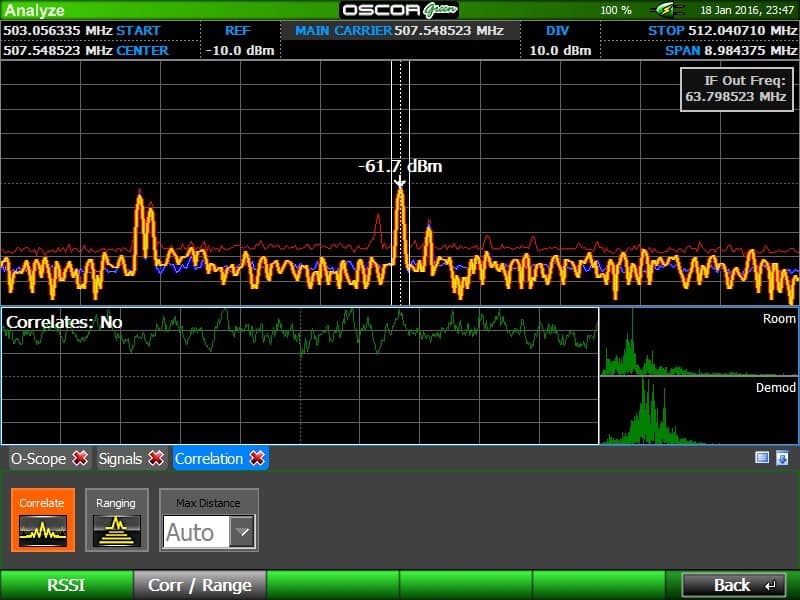
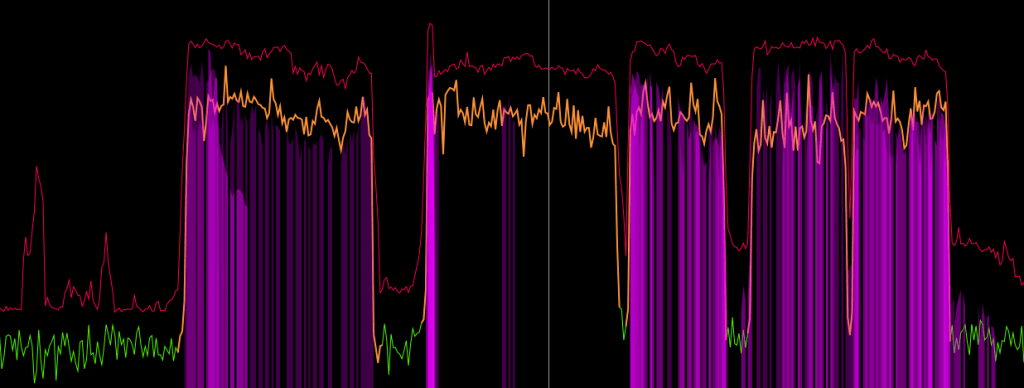
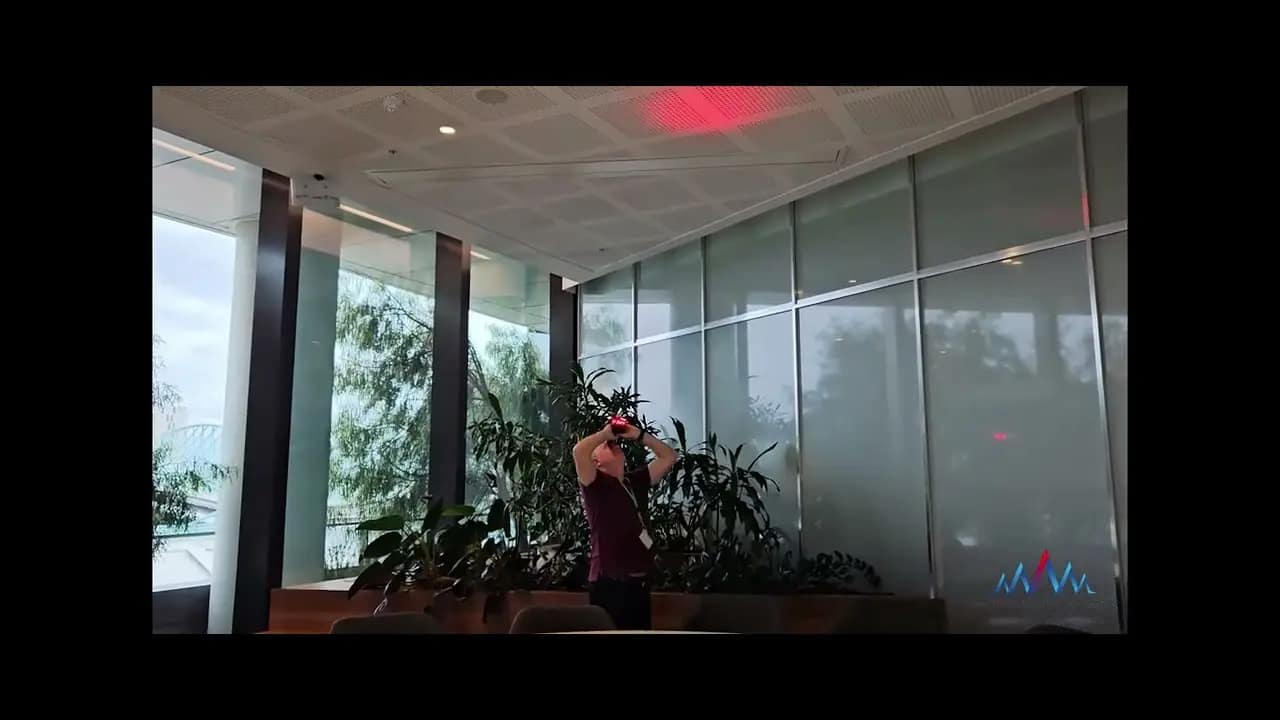
We can check your phone and your car in the same visit, because someone watching one may well be watching the other. Our phone spyware detection covers Android and iPhone, and our vehicle tracker sweep inspects the car inside and out using radio frequency and Bluetooth detection and a physical search. The work is done at your location, and a phone check usually takes from 30 minutes to a couple of hours, depending on how much data is on the device.
If we find something, we show you what it is and where it was, and advise you on the next steps before anything is removed. That way any evidence is preserved and your safety plan comes first. Every sweep ends with a written report.
Talk to us from a phone you trust
If you think your phone or car is being watched, don’t talk about it on or near that phone, or inside the car. Call The Australian Bug Detection Group on 0410 092 207 from a phone you trust, or use our contact page from a safe device. We’ll talk you through the options in confidence.