Nobody loses a perfectly good charging cable outside the boardroom on the morning of a board meeting.
Someone may have put it there. They knew you’d walk past. They knew your phone would be low. And they knew that, like almost everyone, you’d pick it up, because who doesn’t need a spare cable?
That cable is not a cable. It’s a door into your company, and you’re about to open it yourself.
Monday, 8.40 am
- 8.40 You plug the cable into your laptop to charge your phone. It charges. Everything looks normal.
- 8.40 Your laptop quietly decides a new keyboard has been connected. That’s what the cable is pretending to be.
- 8.41 In the car park, someone with a phone sends the cable an instruction over its own Wi-Fi. The cable starts typing on your laptop, faster than any human could. You’re reading your emails. You don’t see a thing.
- 8.42 Software is installed. A back door is opened. Every password you type from now on can be recorded.
- 9.00 You walk into the board meeting with your laptop. So does the attacker.
- Later The cable can wipe its own code. What’s left looks like an ordinary cable, and there may be no trace of how it happened.
Everything you can reach from that laptop, they can reach too: your inbox, the board papers, client files, payroll, the company network. And they can use it as a stepping stone to everything else.

A real attacker won’t put a message on your screen. You won’t know until it’s far too late.
This is our own demonstration laptop, taken over by our own demonstration cable, in a boardroom just like yours.
This is not science fiction. It’s for sale.
Cables like this are sold openly online as security testing tools, for about the price of a business lunch. No special skills needed, no licence, no questions asked. Anyone with a grudge, a competitor to please or a ransom in mind can buy one this afternoon.
We own one. We bought it to show clients exactly how easy this is.
Could you spot it? You couldn’t.

One of these cables is genuine. The other can take over your computer. Same colour, same plug, same feel in your hand. We put these in front of clients all the time, and almost nobody picks the right one.
“Our staff would never fall for it.”
They would. In a 2016 study, researchers at the University of Illinois dropped 297 USB drives around their campus. 98 per cent were picked up, and people opened files on at least 45 per cent of them. Most said they were only trying to find the owner.
Those were flash drives. A charging cable is even easier to trust, because everyone needs one and nobody thinks of a cable as a computer. Your most careful, most loyal employee is exactly the person who’d pick it up to be helpful.
Your firewall can’t save you
- Your laptop trusts keyboards. To your computer, this is just someone typing. Plenty of security software doesn’t question it.
- It brings its own Wi-Fi. It can talk to the attacker without ever touching your company network, so your firewall never sees it.
- Nobody checks cables. They move between desks, meeting rooms and bags every day. Ask yourself: do you know where every cable in your boardroom came from?
Found a cable? Do this, right now
- Don’t plug it in. Not into your laptop, not into your phone, not “just to check”.
- Don’t throw it away. If it’s malicious, it’s evidence.
- Hand it to IT or security and tell them exactly where and when you found it. CCTV may show who left it.
- Only use cables your organisation issued, or that you bought yourself, new, from a retailer you trust.
- Lock your screen every single time you walk away.
Already plugged it in? Act now
- Unplug it, and cut your laptop off the network (Wi-Fi off, network cable out).
- Tell IT or security immediately. Every minute you wait is a minute the attacker keeps.
- Change your passwords from a different device, never from the laptop the cable touched.
- Keep the cable, bagged and labelled with where and when you found it.
How we find them


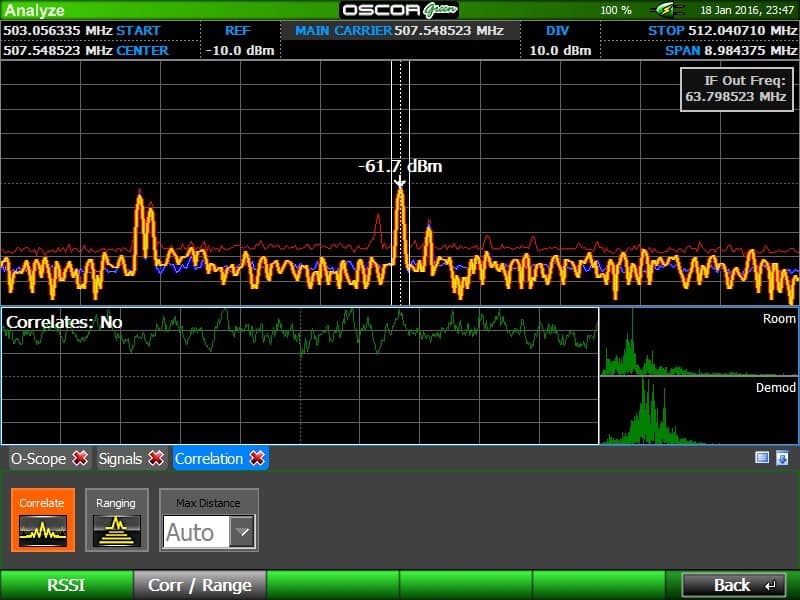
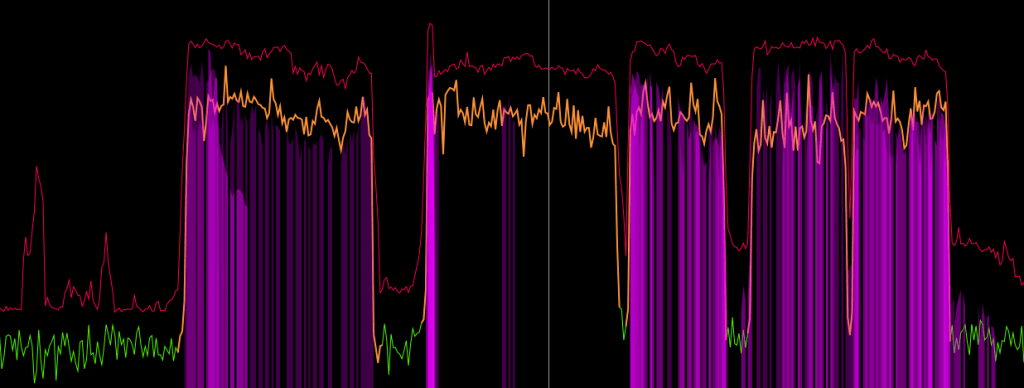
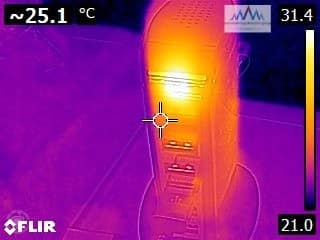
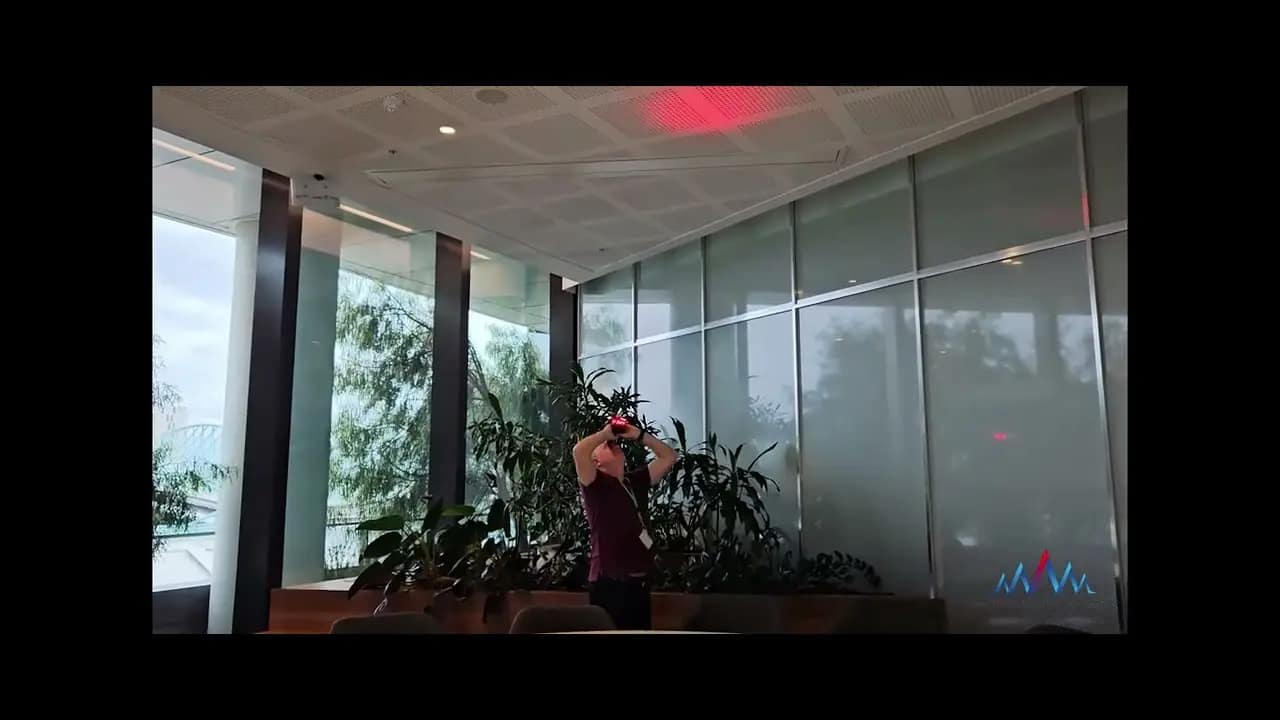
The Australian Bug Detection Group tests cables with dedicated detection equipment that exposes the hidden electronics a malicious cable relies on, including its Wi-Fi and Bluetooth. We check the cables in your boardrooms, executive offices, shared desks and charging points, as part of a corporate TSCM sweep or as a standalone service.
Anything suspicious is isolated and kept as evidence. You receive a written report of what we checked, what we found and what to do next, including a simple cable policy your staff will actually follow. We can also check the phones of your directors and key staff in the same visit with our mobile phone spyware analysis.
Don’t wait for your very bad day
If a cable has turned up where it shouldn’t, or you can’t say for certain where the ones in your boardroom came from, call The Australian Bug Detection Group on 0410 092 207, or get in touch through our contact page for a confidential conversation. We are based in Melbourne and operate across Australia.