Hidden cameras can be hard to find, which is why professional hidden camera detection matters. Some are concealed inside walls, ceilings or fittings; others are hidden in plain sight, built into everyday objects. Many modern units are small Wi-Fi (IP) cameras that stream video over the internet, so whoever planted them can watch from anywhere.
Where hidden cameras are found
- Smoke detectors and ceiling fittings
- Chargers, power boards and clocks
- Books, ornaments and photo frames
- Air vents, wall voids and ceiling cavities
- Behind televisions and inside entertainment units
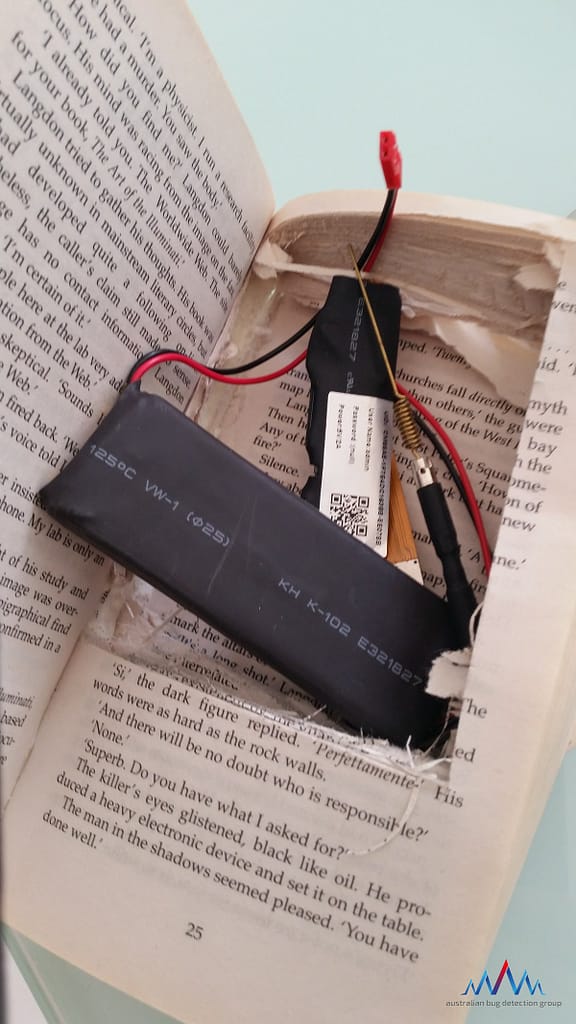
Hidden camera detection: how we locate them
No single tool finds every camera, so a professional sweep combines several methods:
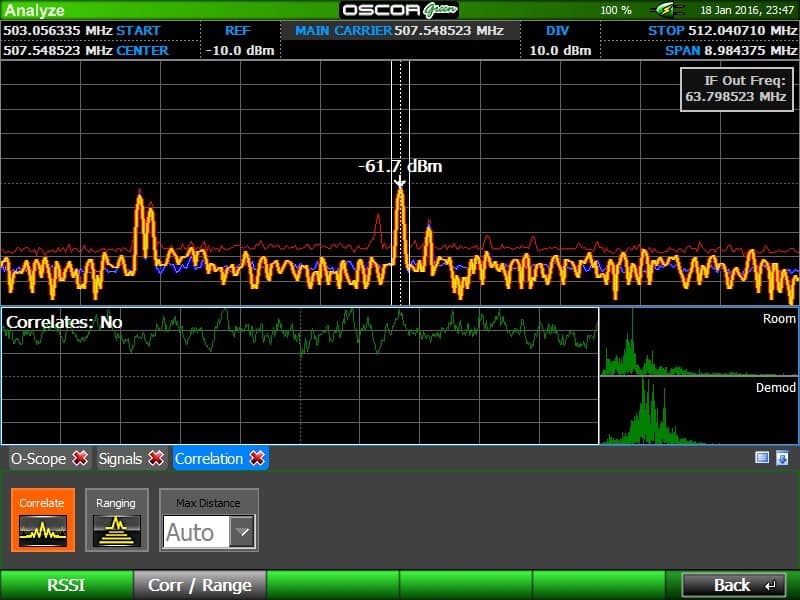
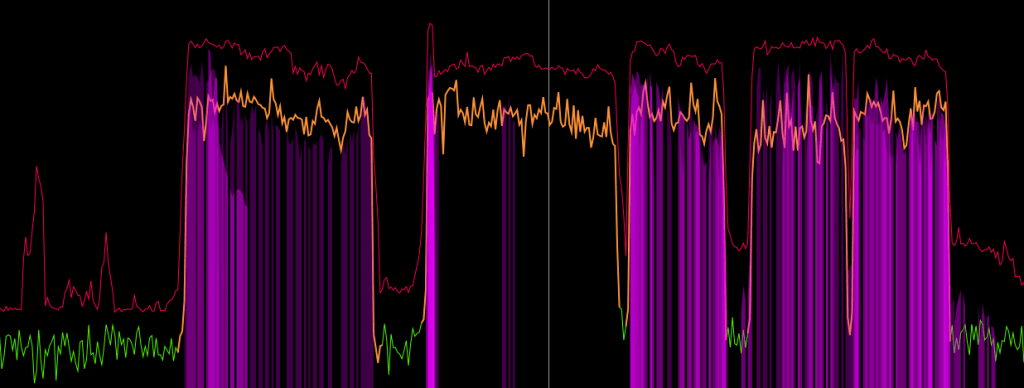
- Wi-Fi and radio frequency analysis, to identify devices transmitting video, including IP cameras on your network or on a hidden one
- Non-linear junction detection, which finds the electronics inside a camera even when it is switched off
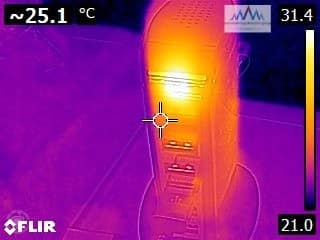
- Thermal imaging, because a working camera gives off heat that shows up where nothing should be warm
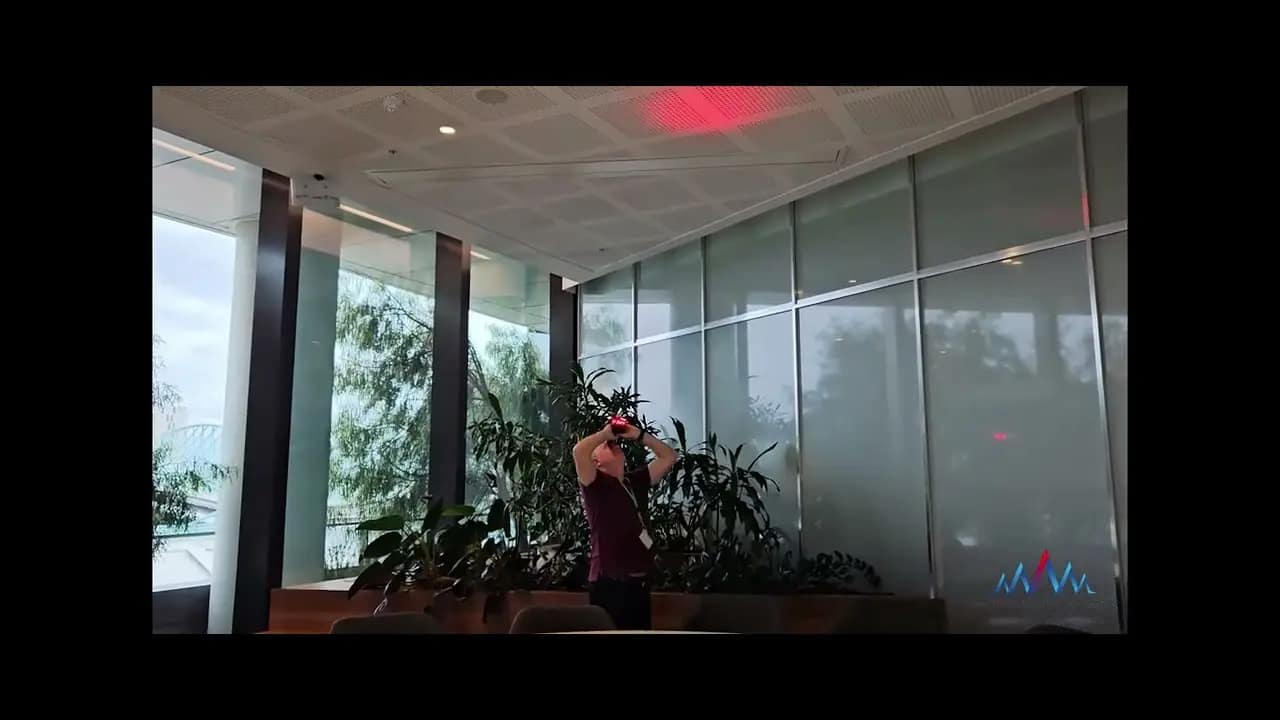
- Lens detection, which picks up the reflection from a camera lens
- Physical inspection of objects, fittings and cavities

See it in action
Two examples from a residential sweep, locating a hidden IP camera:
Using a non-linear junction detector
Using a thermal imaging camera
If you think you have found a camera
- Don’t touch or remove it. It can alert the person who planted it and destroy evidence.
- Don’t discuss your suspicions in the room.
- Call us on 0410 092 207 from a phone outside the area of concern.
If you feel unsafe, contact police on 000, or 1800RESPECT on 1800 737 732.
Contact Australian Bug Detection Group for a confidential conversation about a sweep.